

As the weather warms up, lots of families are packing their bags and heading out on summer adventures. But, traveling with little ones can be both exciting and overwhelming! You’re creating special memories as a family, exploring new places, and enjoying time together. But let’s be honest, sleep can feel like the one thing that threatens to unravel the whole experience.
If your child thrives on routine and predictability, the idea of disrupting that with hotel rooms, late nights, and long car rides might feel stressful. The good news is that you don’t have to choose between good sleep and a great trip. With a little intention and some flexibility, you can help your child sleep well while still enjoying your vacation.

Stick to What You Can, Let Go of What You Can’t
You will not be able to replicate your exact sleep setup from home, and that’s okay. It is more important to maintain a sense of routine than to try to control every detail. Focus on consistency with the things that really matter to your child’s sense of safety and comfort.
If you usually follow a nap or bedtime routine at home, follow that same routine on your vacation. Perform the same steps in the same order. For example, if you usually read a specific book, sing a lullaby, and zip them into a sleep sack, do that, just in your new environment. The familiarity will go a long way in helping your child wind down.
Bring Comfort Items from Home
Traveling is full of stimulation. New faces, new beds, new smells, new routines. That can be exciting, but for babies and toddlers, it can also feel unsettling. Having a few comfort items from home can make a big difference.
Pack a favorite sleep sack, lovey, or bedtime story. If your child over the age of one is used to sleeping with a particular stuffed animal, be sure that comes with you. Even something as small as the same blanket or pacifier can help your child feel more secure in an unfamiliar space.

Sound Machines Are a Lifesaver
If I could only recommend one item to bring for sleep while traveling, it would be a sound machine. It is such a simple tool, but it does so much. Not only does it mimic the sleep environment your child is used to at home, but it also helps drown out unfamiliar noises that might be present in a hotel, rental, or a relative’s house. Doors closing, street traffic, cousins playing in the hallway – those are less likely to disrupt sleep when white noise is running in the background.
Let Your Child Explore the Sleep Space
Before putting your child down in their new sleep space for the first time, give them a chance to check it out while they are awake. This is especially helpful for toddlers and older children, who may need time to adjust to a new room or bed. Let them play in the crib or pack-and-play, lie down with a book on the bed, or simply crawl or walk around the room. Giving them some space to explore can reduce anxiety when it’s time to actually sleep.
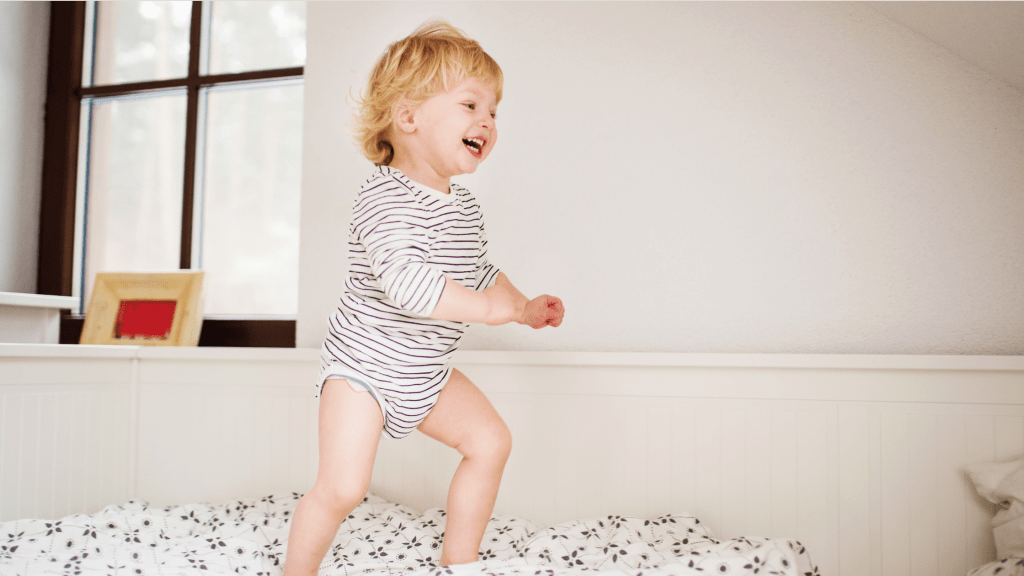
If You Are Changing Time Zones, Prepare Ahead of Time
If you are traveling to a different time zone, try adjusting your child’s schedule gradually, a few days before your trip. This does not have to be a huge change, but even shifting naps and bedtime by 15 to 30 minutes can help smooth the transition. Waiting until you arrive at your destination to adjust everything at once can make for some very overtired and confused little ones. Starting early gives their body clock a chance to catch up.
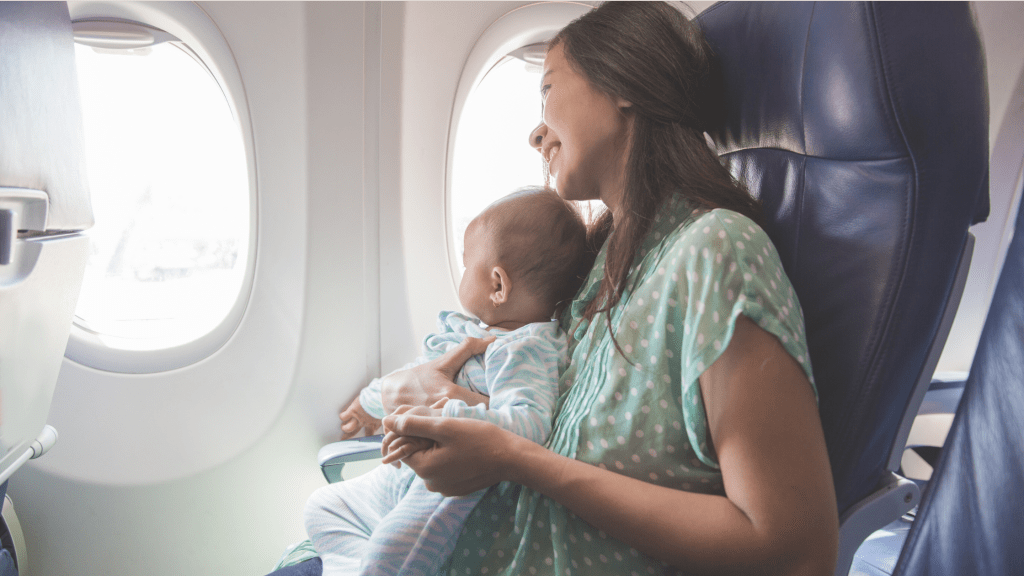
Lower Your Expectations
This one is big. I say it to every parent I work with: lower your expectations around sleep while traveling. Even the best sleepers can struggle a little when they are out of their element. Some naps might be shorter. Bedtime might get pushed a bit later. You might need to help your child fall asleep more than you normally would at home.
So take the pressure off. Keep the parts of your routine that matter most. Bring what you can to make things familiar. Let go of the rest and focus on enjoying your time away. You deserve to make memories with your family, even if bedtime looks a little different for a few days.

Enjoyed this? Grab your free sleep guide for 3 months through 3 years below.
🔗 Learn more about my work as a pediatric sleep consultant in Toronto.

 Dreamworthy